You’d be surprised how much your childhood games knew about your future.
Remember how some kids were always organizing treasure hunts, others ran imaginary space missions with walkie-talkies and tin foil hats, and a few were forever getting the rest of us to act out courtroom dramas with rules they made up on the spot? As it turns out, they weren’t just killing time. They were rehearsing.
How Early Play Shapes Professional Skills
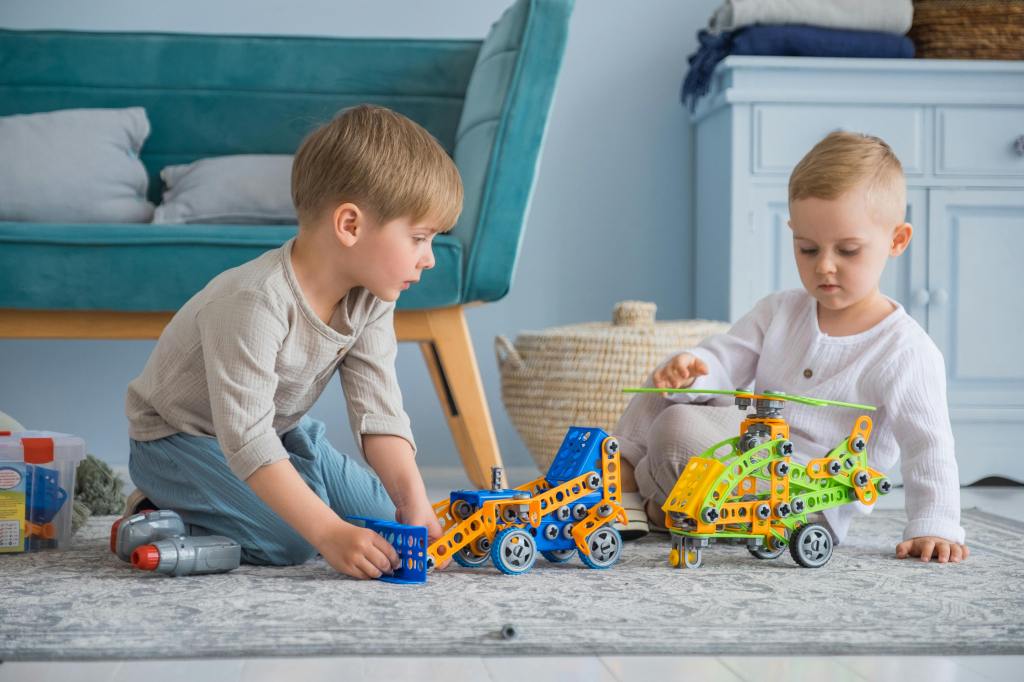
Studies show that the types of play we engage in as children are remarkably predictive of our future career paths. According to research by The Genius of Play initiative, nearly 74% of adults believe their childhood play experiences helped shape their current job skills. That’s not just nostalgia talking. Kids who build with blocks often grow up to excel in engineering or design roles. Those who engage in role-play frequently head into leadership, teaching, or law. Even solitary hobbies like drawing or coding (yep, some kids were doing that at ten) are strong predictors of creative or technical careers.
Let’s take a real-world detour. Shigeru Miyamoto, the legendary Nintendo game designer behind Super Mario and The Legend of Zelda, has often cited his childhood exploration of caves and forests in Sonobe, Japan, as his earliest inspiration. It’s no coincidence that his games are essentially interactive play-spaces born from those youthful wanderings.
Imaginative Play and Cognitive Development
And it’s not just anecdotal. Researchers at the University of Cambridge found that children who engaged in more imaginative role-play had better cognitive flexibility later in life—a key skill in fields like entrepreneurship, diplomacy, and product design.
Types of Childhood Play and the Skills They Build
This link between play and professional success becomes even more fascinating when you look at how different kinds of play map to different skill sets. A study published in Early Child Development and Care broke down how:
- Constructive play (like Lego building) supports spatial awareness and planning.
- Sociodramatic play boosts communication, empathy, and leadership.
- Rule-based games enhance problem-solving and adaptability.
So when your niece insists on running a pretend café where she’s the chef, server, and manager, she might not just be playing—she could be exploring the early contours of entrepreneurship. Or management. Or project coordination. Possibly all three.
Playful Mindsets and Modern Workplaces
What’s more, playful habits don’t just predict job titles; they also shape how people work. A 2023 article from Harvard Business Review highlighted how people who self-identify as having playful tendencies are more creative, more resilient under pressure, and better at ideation in group settings.
Why Play Is More Than Just Fun
Here’s the kicker: this isn’t about turning kids into future employees. It’s about respecting play as the developmental superpower it really is. The skills being cultivated aren’t just useful—they’re foundational. Play isn’t the opposite of work. For many of us, it was the first version of it.
So maybe we should stop asking kids what they want to be when they grow up and start watching what they play. The answer might already be there, building castles out of cushions or directing an invisible film crew in the backyard.
 Play / Create
Leave a comment